 e7m
📶 When eSIM in Nepal Is a Clear Yes
Nepal's mobile infrastructure has improved significantly, with Ncell and Nepal Telecom covering most trekking routes and urban areas. If you're arriving from Europe, North America, or Australia, international roaming charges can be brutal — often $5–15 per day just for basic data. In these situations, an eSIM makes obvious financial and logistical sense.
- First-time visitors who don't know the local SIM landscape — skip the airport queue and activate connectivity before landing.
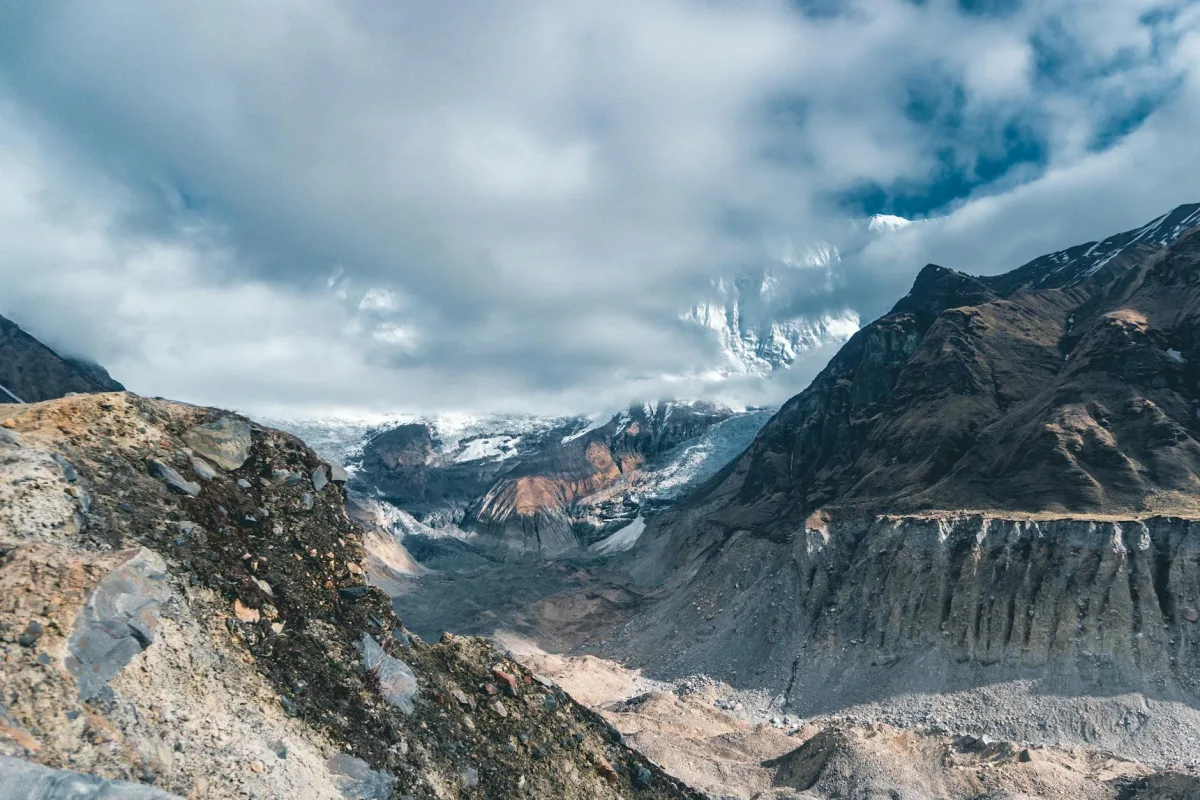
- Trekkers heading to Annapurna or Everest Base Camp — eSIM gives you flexibility without carrying a physical SIM that might get lost on the trail.
- Business travelers who need to keep their primary number active for calls while using local data on the same device.
- Short stays (3–7 days) — not enough time to justify hunting for a local SIM shop, especially outside Kathmandu.
🗺️ When You Can Manage Without eSIM
There are genuine cases where buying a local physical SIM in Kathmandu or Pokhara is the smarter move. Nepal's Ncell SIM cards are widely available, affordable, and easy to register with a passport. If you're staying two weeks or more, a local SIM often wins on pure cost.
- Long stays (2+ weeks) — a local Ncell prepaid plan with 10–15 GB of data costs roughly $4–7 for a month.
- Travelers with older devices that don't support eSIM technology.
- Budget backpackers willing to spend 20–30 minutes at a Kathmandu SIM kiosk on arrival.
- Family trips where multiple devices need connectivity — buying separate local SIMs per person can still be cheaper than multiple eSIM subscriptions.
💰 Real Savings in Numbers
Here's an honest cost comparison for a 7-day Nepal trip with moderate data usage (around 1 GB/day):
| Option | Data | Approx. Cost (USD) | Notes |
|---|---|---|---|
| Standard international roaming (major EU/US carrier) | ~7 GB | $35–$105 | Often $5–15/day flat rate |
| eSIM via e7m.net | 7–10 GB | $5–$12 | Activate before departure |
| Local Ncell physical SIM | 10–15 GB | $4–$7 | Requires in-person registration |
For a 7-day trip, eSIM saves you $25–$90 compared to standard roaming. The gap versus a local SIM is small — roughly $2–5 — but eSIM wins on convenience and setup time.
🧳 Scenarios by Trip Type
3–7 days / Short trip: eSIM is the most practical choice. No time wasted finding a SIM vendor, no registration hassle, connectivity from the moment you land.
2+ weeks: Consider a local SIM for the cost advantage. If your device supports dual SIM, you can keep your home number active alongside a local plan.
Business travel: eSIM is almost always the right call. Keeping your primary number reachable while running data through a separate Nepal eSIM profile is seamless on modern smartphones.
Family trip: Run the numbers. If everyone in your group has an eSIM-compatible device, the convenience factor is high. For mixed groups with older phones, a hybrid approach — some eSIM, some local SIM — works well.
First visit to Nepal: Strong recommendation for eSIM. Navigating Kathmandu's traffic and finding a reliable SIM shop adds unnecessary stress on day one. Arriving connected is worth the small premium.
✅ Final Verdict
eSIM in Nepal is worth it for most travelers visiting for under 10 days, especially first-timers and business visitors. It eliminates roaming shock, saves $25–$90 over standard carrier roaming, and delivers connectivity before you even clear customs. For longer stays or ultra-budget trips, a local Ncell SIM remains the cheapest option — but the convenience gap is real. If your phone supports eSIM, there's little reason not to use one. Browse available options at e7m.net and compare plans before departure — it takes five minutes and could save you significantly.