 e7m
e7m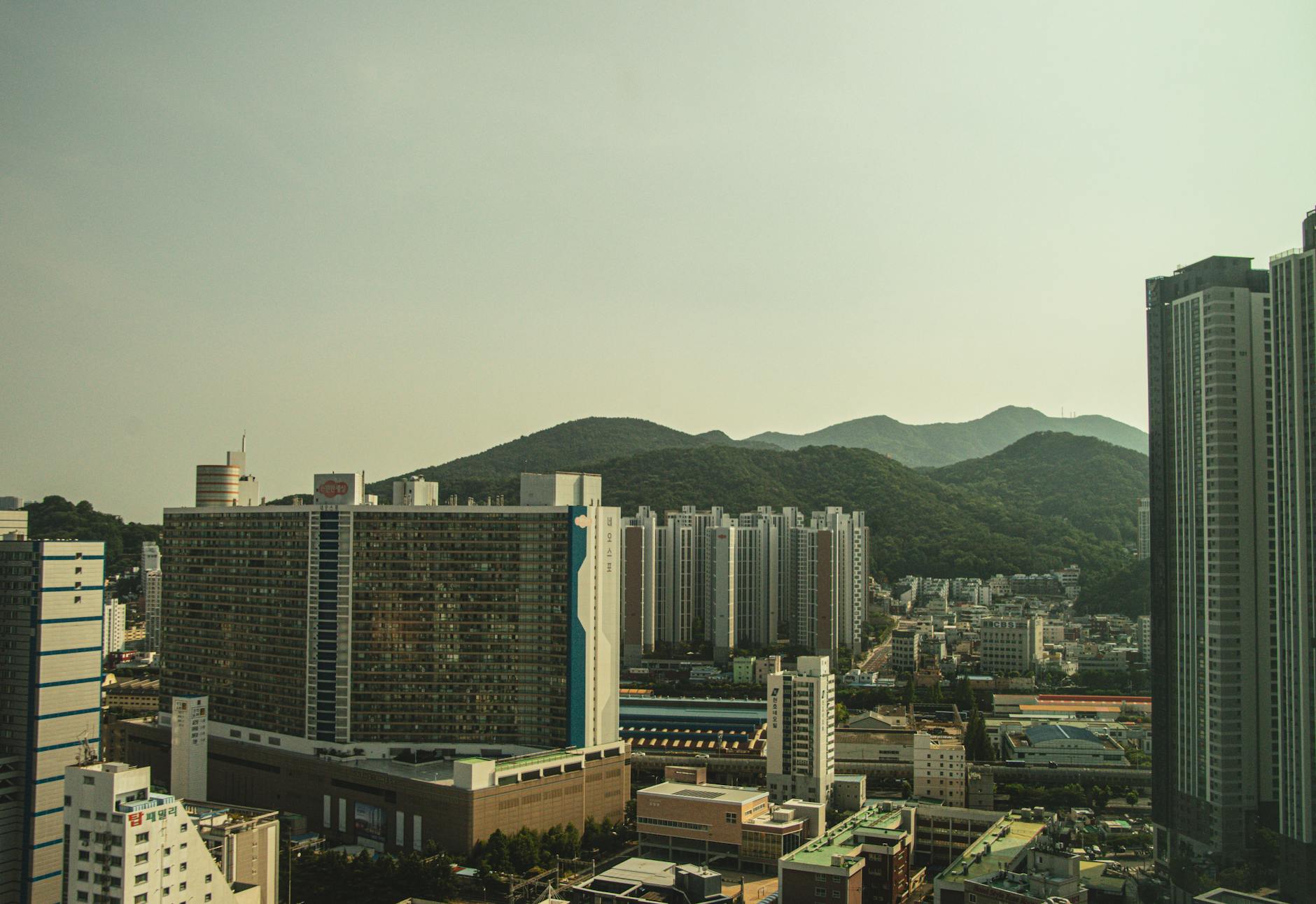
Seoul greeted me with rain and panic
Having arrived at Incheon Airport, I was confident that everything was under control: the route was planned, the hotel was booked, Google Maps was loaded. The first two hours were a complete disaster. Seoul's subway system has more than 20 lines, and my phone stubbornly refused to show me the correct exit. I got off at the wrong station, got caught in a downpour without an umbrella, and stood for 20 minutes at a closed map kiosk.
I was rescued by an elderly Korean woman who, without a single common word between us, dragged me to the right transfer and left, refusing my thanks. That's how my first day began.
Gwangjang Market — the place that changed everything
The next morning I made it to Gwangjang Market in the Jongno district. No pretense — long tables, aunties in aprons, and a smell that immediately makes your stomach rumble. A portion of bibimbap — rice with vegetables and an egg — cost about 890 rubles (10,000 won). It was the best breakfast of the entire trip.
«I ordered something by pointing at the plate next to me. They brought spicy offal. I ate it all — not because it was delicious, but because it felt awkward to refuse. Turns out — it was delicious.»
It's in moments like these that you understand why you travel at all: not for Instagram locations, but for this random dish and the laughter of strangers around you.
What I understood in the end
South Korea defies expectations. On the outside — technological, sterile, fast. On the inside — warm, chaotic, and incredibly vibrant. You need to plan minimally here, leaving room for coincidences. And those are exactly what become stories.
- MIR cards don't work in South Korea — bring cash rubles and exchange them for won at exchange offices in Myeongdong: the rate there is about 3–5% better than the bank rate.
- A T-money transit card costs about 445 rubles (5,000 won) and is accepted on the subway, buses, and even in some cafes — buy it on the first day.
- For communications, get an eSIM for South Korea before your flight — rates start from 131 rubles, and the internet works stably even in the subway.
- At Gwangjang Market and street pojangmacha (tents), don't haggle — prices are fixed, and attempting to lower the price is seen as disrespectful.