 e7m
e7m
Kuala Lumpur welcomes you differently than expected
I arrived late at night. KLIA airport is huge, clean, cold from air conditioners — and already here you understand that Malaysia doesn't fit the Instagram picture. Beyond the airport express window, palm trees, construction sites, mosques and skyscrapers flash by simultaneously. The city exists in several dimensions at once.
The first two days were spent in Kuala Lumpur. The Petronas Towers up close are overwhelming in scale. Nearby is Chinatown, where a plate of laksa costs around 180 rubles (8 ringgit). I ate it standing, under a canopy, while traders shouted around me. That's what a real city is.
Taman Negara Jungle: where everything went wrong
On the third day I went to Taman Negara National Park — three hours by bus and an hour by boat on the river. I took a simple trail map and decided to take the "easy route". After forty minutes the trail split, there was no sign, my phone showed one percent battery.
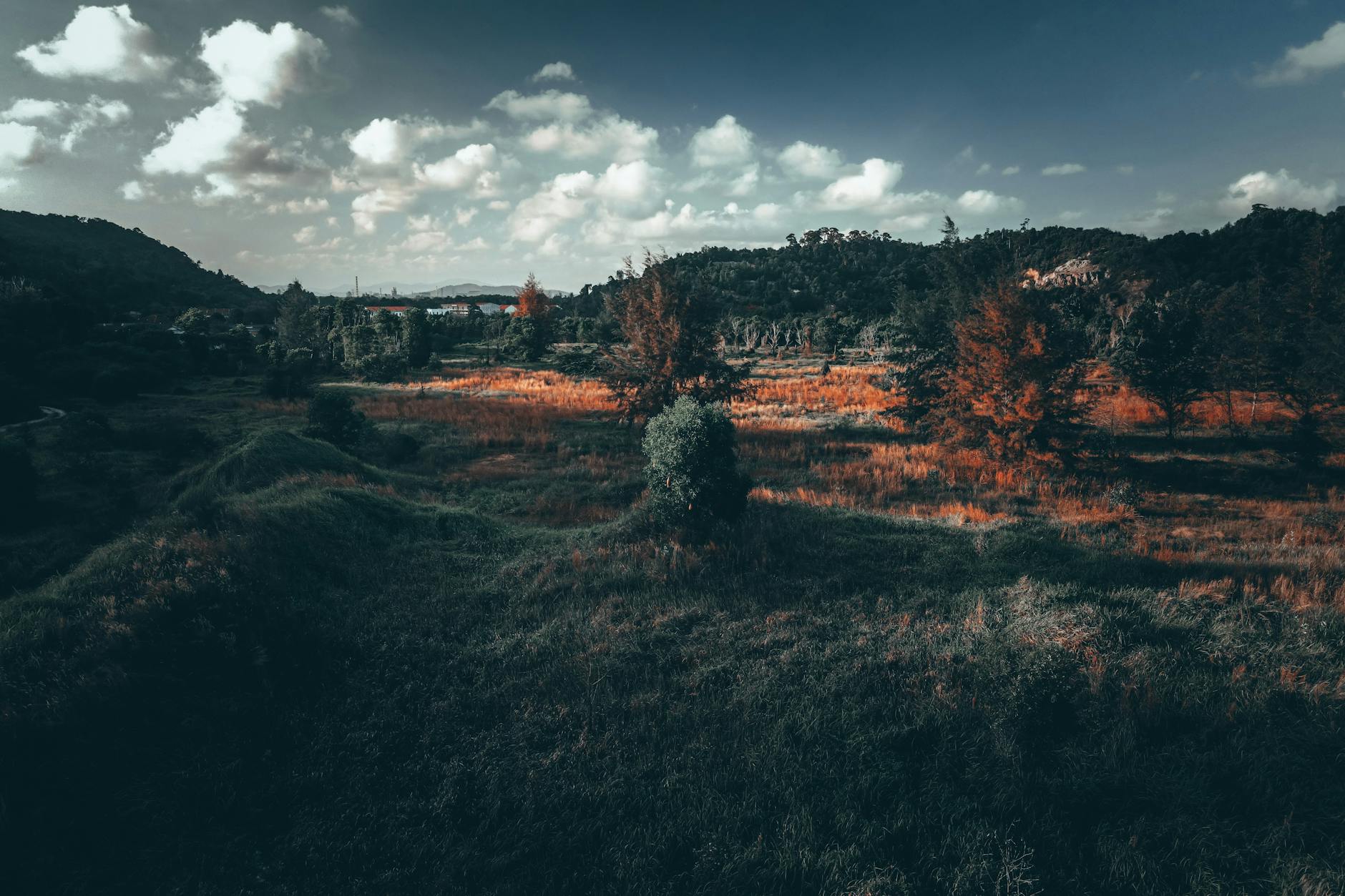
I stood in the middle of the planet's oldest jungles — they are over 130 million years old — and listened to sounds I can't describe. Not fear. Something between awe and respect.
I found my way back by following the sound of the river. The ranger at the entrance just smirked: "Everyone does that". It turned out that a charged power bank and an offline Maps.me map are not an option, but a necessity.
What I remember most
Not the towers or Langkawi beaches. What I remember is the evening market in Kota Bharu — the capital of Kelantan state. Malays, Chinese, Indians at neighboring tables eating different food, speaking different languages and no one finds it surprising. The country is held together by this peaceful blend.
- Exchange rubles for ringgit in advance or at the Kuala Lumpur airport exchange offices — the rate is reasonable there, and MIR cards don't work in Malaysia, cash is mandatory.
- Get an eSIM for Malaysia before your flight — tariffs start from 131₽, internet is needed from the first minute at the airport.
- Into the jungle — only with an offline map and a power bank: the signal drops suddenly and without warning.
- Street food is safe where locals eat: look for places with a queue of Malaysians, not tourist price tags — an average lunch will cost 130–270 rubles (6–12 ringgit).