 e7m
e7m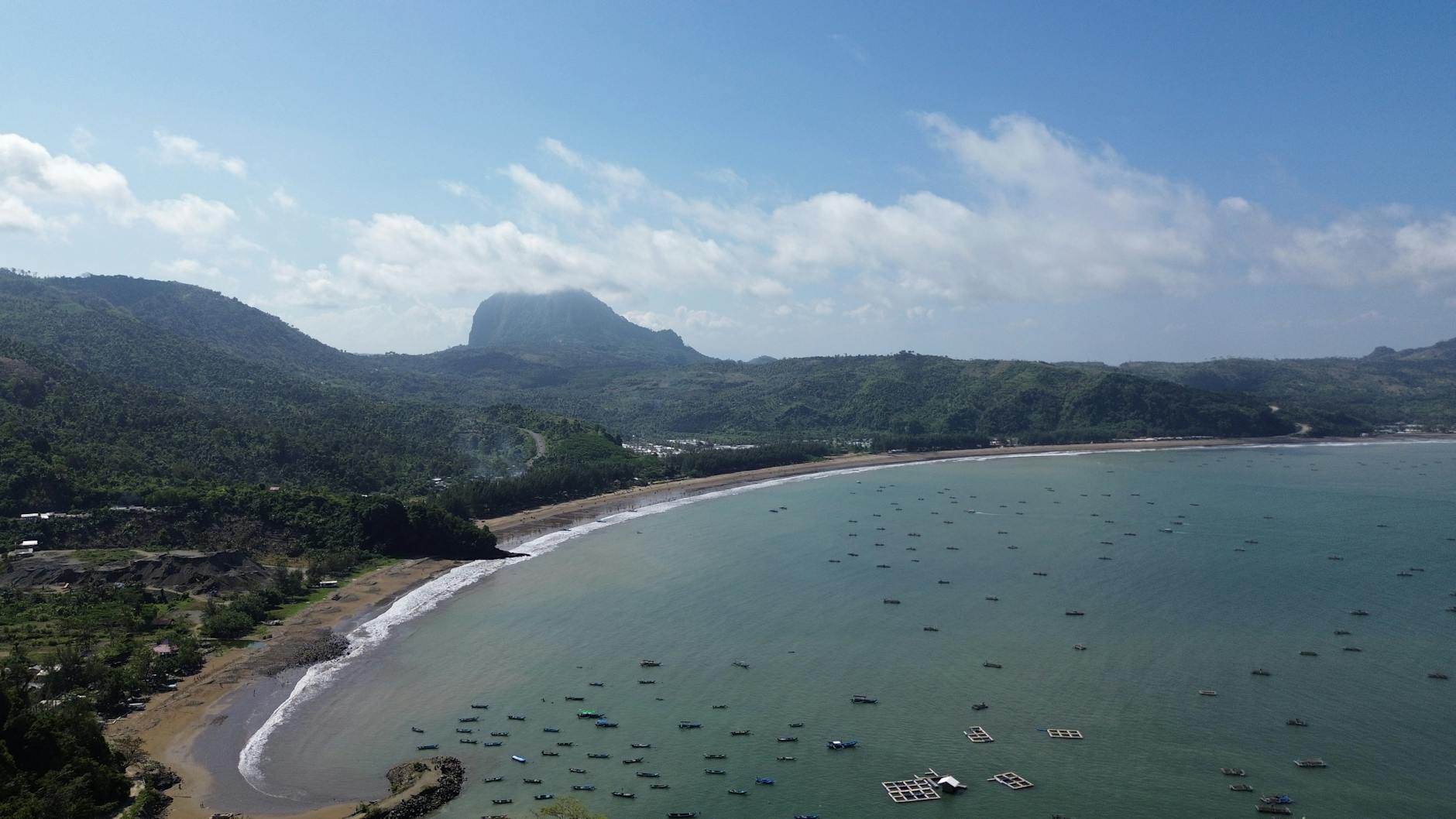
Indonesia bursts into life immediately — with the smell of spices, the hum of scooters and smiles that seem never to end here. I didn't expect a country of 17,000 islands to be so different on each one. If you're still doubting — read on, this will convince you.
🌤 When to go
Indonesia is a country of two seasons: dry and rainy. The best time for most islands is from April to October. On Bali and Lombok during this period there is almost no rainfall, the sea is calm, and the jungles are green without heavy downpours.
December–February is monsoon season in the western archipelago, but the eastern islands (Komodo, Flores) are dry and less crowded at this time. If you want cheaper prices and fewer crowds — go in the shoulder season, May or September.
🛂 Visa and entry
For Russians, visa-free entry for 30 days is available — it really works at most major checkpoints: airports in Bali (Denpasar), Jakarta, Sumatra. You just need a return ticket and a filled arrival card.
If you plan to stay longer — apply for Visa on Arrival right at the airport for $35. It can be extended for another 30 days without leaving the country. The queue for VOA in Denpasar can be huge — it's better to arrive not during peak evening hours.
Print your return ticket and hotel booking on paper — immigration officers sometimes ask for a paper version, not a phone screen.
🛵 Transport and accommodation
The main transport is renting a scooter. On Bali this is 60,000–80,000 rupiah per day (approximately 350–450 rubles). Formally you need an international license, but in practice tourists are rarely checked — though it's important in case of an accident.
Local airlines Lion Air and Citilink fly between islands — tickets from $20–30 if booked in advance. Ferries are cheaper but slower: Bali–Lombok costs around $3 and takes 4–5 hours.
- Guesthouse on Bali — from 200,000 rupiah (~1100 rubles) per night
- Villa with a pool in Ubud — from $40–50 per day
- Hostel in Jakarta — from $8–10
- Airbnb works, but local platforms like Traveloka are often cheaper
🍜 Food and must-see places
Street food is a religion unto itself. Nasi goreng (fried rice) and mi goreng (fried noodles) — everywhere and always, a portion from 15,000 rupiah (~85 rubles). Satay over coals, fresh mango and rambutan juices — try without fear if you choose busy warungs with a queue of locals.
Places worth any effort: the rice terraces of Tegallalang in Ubud (arrive before 8 am — no crowds), the volcano Batur at sunrise, the Komodo national park with Komodo dragons and a pink beach, and the surfing spot Uluwatu on the south of Bali.
💰 Practical advice
MIR cards are not accepted in Indonesia — the country is not among the system's partners. Bring cash dollars or euros and exchange them at official money changers (authorised money changer) — the exchange rate there is significantly better than at hotels or the airport. The best money changers in Denpasar are on Kuta Street and in the Seminyak area.
- Always count your change — "seller's favor" mistakes happen often
- Bargain at markets — the initial price for tourists is inflated 2–3 times
- Don't drink tap water — buy gallon bottles (5 liters — about 20,000 rupiah)
For communication and mobile internet, it's convenient to buy an eSIM for Indonesia at home — prices start from 131₽, and you'll be online immediately after landing, without searching for a SIM card at the airport.
Indonesia is a country that doesn't let go. One island becomes two, then five, and suddenly you realize you'll return here again.
```