 e7m
🌤 Best Time to Visit & Practical Tips
Croatia's Mediterranean climate makes May-June and September-October ideal for travel. Summer (July-August) brings peak crowds and higher prices, while winters are mild but fewer attractions operate. Spring and autumn offer perfect weather (68-77°F) with manageable tourist numbers.
Essential Practical Information: The currency is Croatian Kuna (HRK). Most establishments accept cards, but carry cash for small vendors. For connectivity, obtain an eSIM before arrival: e7m.net plans start from $1. Book accommodations 2-3 months ahead during peak season. Travel insurance is recommended for adventure activities.
🏛️ Must-See Attractions
Dubrovnik remains Croatia's flagship destination. The Old Town's medieval walls are free to explore from streets, though the full wall walk costs $18. Tour around 2 hours. Visit during early morning (7-9 AM) to avoid crowds.
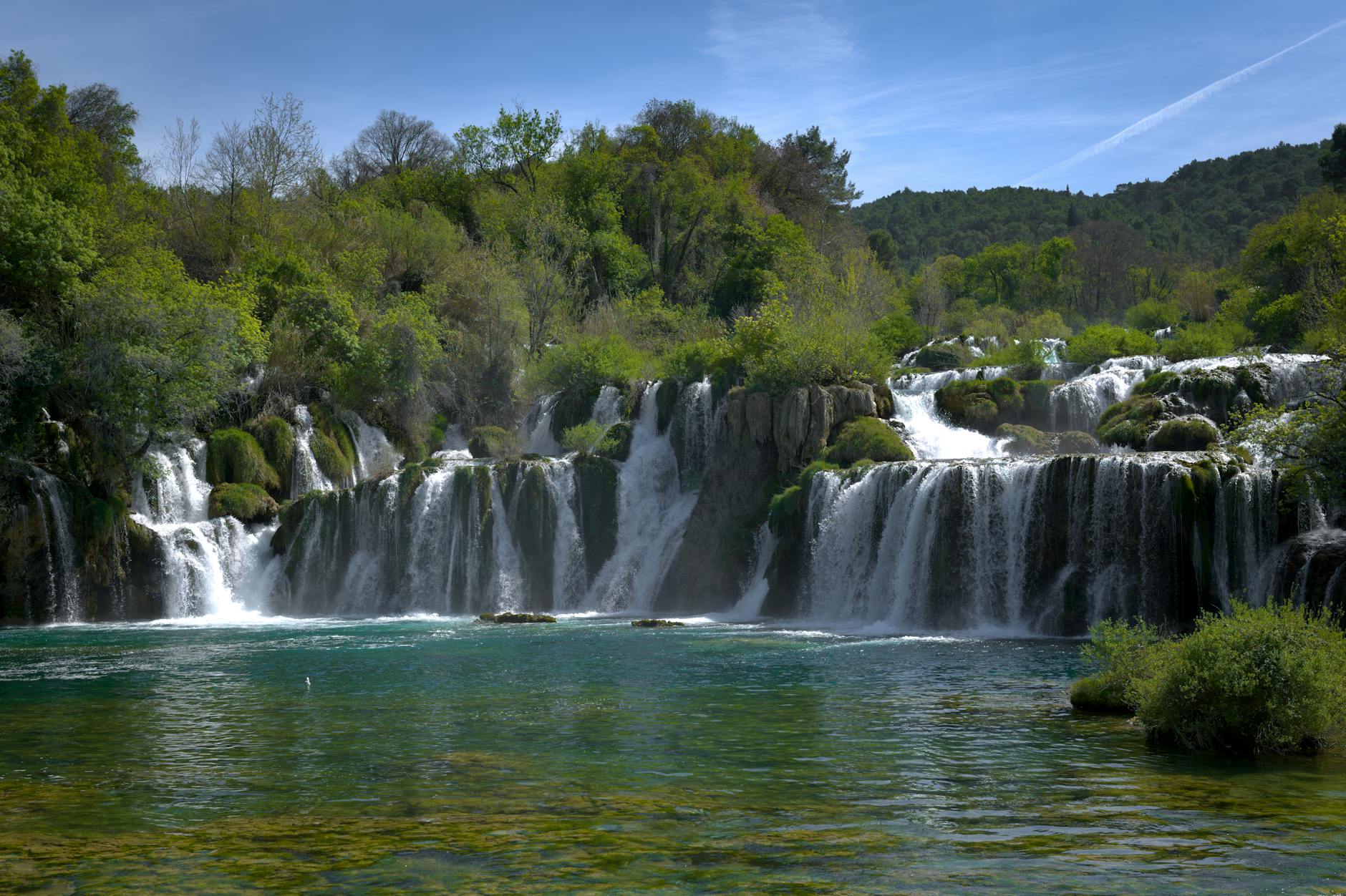
Plitvice Lakes National Park features 16 terraced lakes connected by waterfalls. Admission: $13-19 depending on season. Allocate 4-6 hours for the main trails. The park is equally stunning in all seasons, but autumn foliage (September-October) is spectacular.
Split's Diocletian Palace ($11 entry) and the Dalmatian coast offer Roman history and beach culture combined. The Riva waterfront is perfect for evening strolls. Hvar Island provides boutique dining and nightlife; ferries cost $8-12 from Split.
Rovinj in Istria features Venetian architecture, fresh seafood, and artistic vibrancy. The hilltop Church of St. Euphemia offers panoramic views ($2 entry).
🚌 Getting Around
Domestic flights between Zagreb, Split, and Dubrovnik cost $35-65. FlixBus operates extensive routes at $8-30 per journey. Buses are reliable, comfortable, and connect most destinations. Renting a car ($25-40/day) suits coastal exploration, though parking in Old Towns is challenging and pricey ($3-6/hour).
Ferries connect islands; costs range $3-15 depending on distance. Book through e7m.net for offline maps to aid navigation. Most ferries operate year-round.
🍽️ Food & Dining
Dalmatian cuisine emphasizes fresh seafood, truffles, and olive oil. Try black risotto (squid ink), peka (slow-roasted meat/vegetables), and buzara (shellfish stew). Street-level restaurants in side alleys offer authentic meals for $9-14; tourist-facing establishments charge $25-45.
Wine regions in Istria and Dalmatia produce excellent local wines ($6-12 per bottle retail). Konoba (traditional taverns) serve family-style portions at reasonable prices. Markets in Split and Dubrovnik sell fresh produce, cheese, and local specialties.
💰 Budget Planning
Daily Budget Breakdown (per person): Budget accommodation: $30-50; mid-range meals: $12-18; attractions: $8-15; local transport: $3-5. Total daily estimate: $53-88 for budget travelers, $120-180 for mid-range.
Money-Saving Strategies: Stay in apartment rentals outside Old Towns and use public transit. Eat lunch (cheaper set menus) rather than dinner. Purchase multi-day attraction passes where available. Travel in shoulder seasons (April-May, October-November) for 20-30% lower prices.
Most museums cost $5-12. Beaches are free. Group tours via established operators (typically $35-60) include transportation and guidance, eliminating navigation costs.